



Tehnică de imprimare
Test Ce tehnică de imprimare este potrivită pentru tine?
Cei care caută metoda de procesare potrivită pentru proiectul lor se vor confrunta rapid cu o gamă largă de opțiuni. Această pagină prezintă clar cele mai importante tehnici și arată dintr-o privire care este cea mai potrivită tehnica HALFTONE pentru ideile creative.
Suntem bucuroși să vă sprijinim cu expertiza noastră în alegerea corectă, de la prima impresie până la realizarea perfectă. Aici, puteți găsi informații utile și exemple de aplicații pentru munca dumneavoastră.
Explorați gama largă de posibilități de tehnici de imprimare oferite de HALFTONE, cum ar fi Imprimare offset, Tipar înalt, Serigrafie, Lăcuire, Folie la cald, Ștanțare în relief și în adâncime, Tăiere cu matriță, Pliere, Lipire, Laminare, Ambalare, Pliere și broșare, Tăiere.
pentru a vă îmbunătăți proiectele de ambalare, publicare și papetărie și lăsați-vă inspirat.
ÎNALȚĂ-ȚI BRANDUL
Ce tehnică de imprimare ți se potrivește?
Alegerea metodei de procesare potrivite pentru proiectul dumneavoastră poate fi o sarcină anevoioasă. Aici, HALFTONE vă poate oferi o gamă largă de opțiuni.
Această pagină prezintă cele mai importante tehnici și arată dintr-o privire care HALFTONE se potrivește cel mai bine ideii dumneavoastră creative. Suntem bucuroși să vă sprijinim cu expertiza noastră în a face alegerea corectă, de la primele impresii la un design clar. Aici, puteți găsi informații utile și exemple de aplicații pentru munca dumneavoastră. Explorați gama largă de posibilități de tehnică de imprimare oferite de HALFTONE, cum ar fi, imprimarea offset, tiparul înalt, serigrafia, lăcuirea, ștanțarea la cald, ștanțarea oarbă în relief și adâncime, tăierea cu matriță, plierea, lipirea, laminarea, înfășurarea, plierea și colectarea, tăierea, pentru a vă eleva proiectele de ambalare, publicare și papetărie. Lăsați-vă inspirat.

Imprimare offset
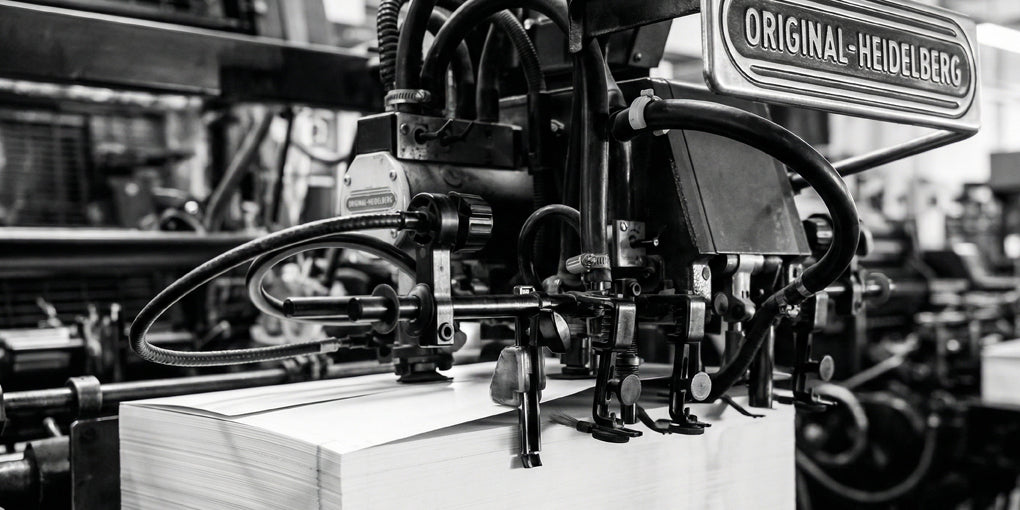
Imprimarea offset impresionează prin detaliile sale clare, culorile bogate și reproductibilitatea excelentă, fiind ideală pentru tiraje medii și mari. În acest proces, cerneala este transferată indirect pe hârtie printr-o placă de imprimare, permițând rezultate deosebit de uniforme. Comparativ cu imprimarea digitală, imprimarea offset excelează prin fidelitatea culorilor, eficiență și varietatea opțiunilor de finisare pe care le oferă.
În imprimarea offset, se face distincția între două procese: offset clasic și offset UV. Diferența constă în principal în alegerea cernelurilor (cerneluri offset convenționale / cerneluri fotopolimerizabile UV) și a metodelor de uscare (prin oxidare-absorbție / imediat prin lumină UV).

Tipar înalt
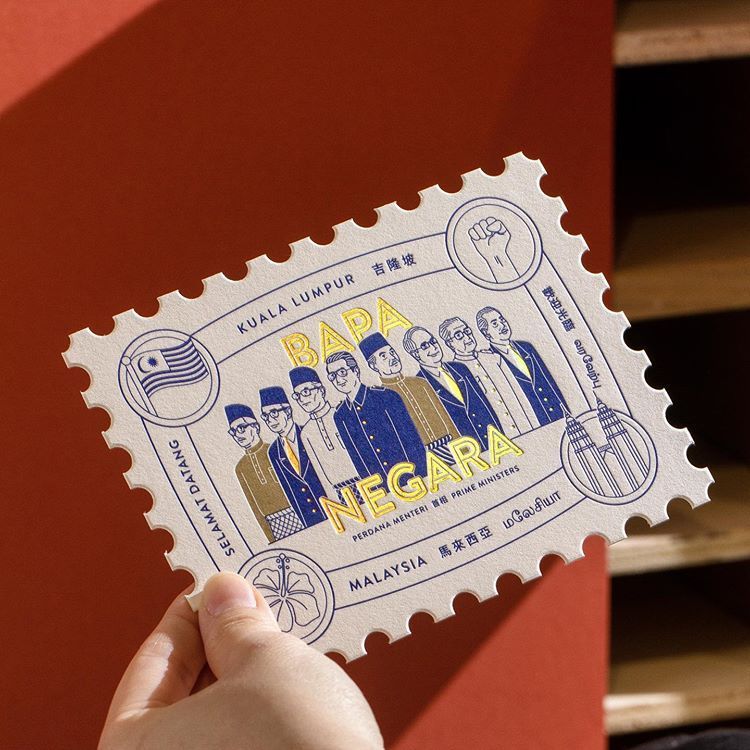
Tiparul înalt combină culoarea și embosarea. Presiunea țintită embosează literele și motivele în material, creând adâncituri fine în hârtie. În același timp, se aplică cerneală pentru a oferi motivului adâncime vizuală. Rezultatul este o interacțiune unică de textură, culoare și structură.

Serigrafie
În serigrafie, cerneala este aplicată direct pe hârtie printr-o sită cu plasă fină. Acest proces creează straturi bogate și vibrante de culoare, cu o textură unică și profunzime vizuală. Este ideal pentru proiecte de imprimare de înaltă calitate, unde culoarea și textura sunt importante.

Lăcuire
Lac oxidativ / acrilic: Un strat subțire de lac lucios, mat sau neutru adăugat în timpul tipăririi, în aceeași mașină offset care imprimă cernelurile propriu-zise. Poate fi aplicat pe întreaga suprafață a paginii (lac integral) sau doar pe o parte (lac selectiv).
Lac UV: Un lac aplicat pe materialul tipărit și ulterior uscat cu raze UV într-o unitate de uscare, situată în partea finală a mașinii de tipar. Ajută la asigurarea unor rezultate deosebit de luminoase și rezistente.
Lac oxidativ / acrilic: Un strat subțire de lac lucios, mat sau neutru, adăugat în timpul etapei de tipărire, în cadrul aceleiași mașini offset care imprimă și cernelurile. Poate fi aplicat pe întreaga suprafață a paginii (lac general) sau doar pe o parte (lac selectiv).
Lac UV: Un lac aplicat pe materialul tipărit și uscat ulterior cu raze UV într-o unitate de uscare, situată în partea finală a mașinii de tipărit. Ajută la asigurarea unor rezultate deosebit de luminoase și rezistente.

Folie la cald
Alegeți dintre finisaje mate, lucioase, metalice, holografice sau texturate. Folia la cald adaugă accente impresionante, transformând fiecare produs tipărit într-un punct de atracție. De la invitații elegante la ambalaje lucioase, varietatea de culori și suprafețe oferă posibilități de design nelimitate.
Aspect elegant: Utilizarea foliilor lucioase și metalice creează un efect de înaltă calitate.
Durabilitate: Folia aderă foarte bine la suprafață datorită presiunii și căldurii și rezistă la abraziune, ceea ce asigură un aspect de lungă durată și de înaltă calitate.
Gamă largă de culori și efecte: Cu ștanțarea la cald se pot obține diverse efecte metalice, strălucitoare sau holografice.

Embosare și debosare fără folie
Ștanțarea în relief (embosarea oarbă) este o tehnică de imprimare în care o imagine imprimată în relief sau în adâncime, fără cerneală sau folie, este ștanțată în hârtie prin presiune. Produsul imprimat impresionează prin forma și textura sa. Trebuie să-l simțiți. O experiență pentru simțuri.
Fără culori: Spre deosebire de alte procese de imprimare, în imprimarea în relief nu se folosește cerneală sau folie. Totul se referă la efectul frapant și tangibil al imprimării în sine.
Pentru imprimare este produsă o placă de embosare specială cu imaginea imprimată. Această placă poate fi în relief sau în adâncime, în funcție de modul în care este structurat motivul. Hârtia este poziționată între contramodel și placa de embosare. Motivul de pe placa de embosare este apoi transferat pe hârtie prin aplicarea presiunii. Efect haptic: Embosarea în relief conferă materialului o textură tangibilă și, prin urmare, o experiență haptică intensă. Rămâne în memorie.

Tăierea prin matrițare
Ștanțarea este un proces care utilizează o matriță pentru a tăia materiale precum hârtia și cartonul pe o presă de ștanțare. Această tehnică vă permite să faceți tăieturi identice în material de mai multe ori. Folosită pe scară largă în industria ambalajelor, produce în masă, în mod eficient, modele de ambalaje personalizate.
O tăietură trece prin material pentru a separa produsul de banda de hârtie sau carton, în timp ce o îndoitură este o tăietură parțială utilizată pentru a facilita plierea ambalajului pe liniile de ambalare ale clientului. Procesul de tăiere și îndoire poate fi realizat fie cu o matriță plană (platou), fie cu o matriță rotativă. Formele complexe pot fi generate atât pentru tăiere, cât și pentru îndoire, utilizând un laser în loc de o lamă.

Pliere, lipire
În esență, procesul de pliere și lipire transformă o bucată de material plat într-un produs finit, cum ar fi o cutie, un plic sau un articol promoțional. Acest lucru se realizează prin plierea semifabricatului de-a lungul liniilor pre-crestate și aplicarea adezivului care va menține produsul unit.
Mașinile de pliat-lipit sunt potrivite pentru prelucrarea unei game largi de materiale, inclusiv carton masiv. Utilizarea lor este întâlnită în principal în industria ambalajelor, unde transformă semifabricate plate în cutii cu fund automat, cutii cu fund prin cioc, sau cutii cu lipire în mai multe puncte.

Laminare
Laminarea este un proces crucial în industria tipografică și a ambalajelor, îmbunătățind atât durabilitatea, cât și aspectul vizual al materialelor. Laminarea protejează împotriva uzurii, umidității și manipulării, în timp ce ridică aspectul general al articolelor, de la broșuri lucioase la ambalaje de produse de înaltă calitate.
Dacă v-ați confruntat vreodată cu probleme legate de deteriorarea prea rapidă a materialelor tipărite, laminarea este soluția. Aceasta oferă o barieră protectoare care previne deteriorarea, păstrând în același timp culorile și creând o gamă de finisaje, de la luciu elegant la mat sofisticat, catifelat la atingere, metalic sau chiar efecte sidefate care îmbunătățesc aspectul vizual și tactil al materialelor dumneavoastră.

Împachetare, pliere și adunare, tăiere.
În esență, procesul de pliere și lipire transformă o bucată de material plat într-un produs finit, cum ar fi o cutie, un plic sau un articol promoțional. Acest lucru se realizează prin plierea semifabricatului de-a lungul liniilor pre-crestate și aplicarea adezivului care va ține produsul unit.
Mașinile de pliat-lipit sunt potrivite pentru prelucrarea unei game largi de materiale, inclusiv carton masiv. Utilizarea lor este întâlnită în principal în industria ambalajelor, unde transformă semifabricatele plate în cutii liniare, cu fund automat sau multipunct.
„Este mai mult decât hârtie. Este un sentiment.
O rămășiță a momentelor care contează.”
HALFTONE Servicii complete
Colecțiile noastre exclusive de hârtie combină materiale, culori și tehnici de imprimare atent coordonate – compuse cu grijă și create cu o atenție meticuloasă la detalii. Fiecare colecție poate fi rafinată și adaptată subtil pentru a se potrivi produsului dumneavoastră.